
Discover Transformative Insights and Lasting Success
Dive into the InquireX 11D Framework—an innovative, structured approach designed to unlock new perspectives and drive meaningful progress.
Understanding the 11D Framework
Discover the comprehensive 11-step approach that guides you through each phase, ensuring clarity and actionable insights to maximize your success.
THE PHILOSOPHY OF INQUIREX DEEP
InquireX Deep was created from a simple but profound belief:
true self-understanding emerges when psychological insight and lived human experience are allowed to meet in a calm, reflective, and emotionally safe space.
The framework moves across psychology, emotional science, neuroscience, phenomenology, narrative identity, attachment-informed reflection, cultural awareness, and existential thought to create something more than analysis.
It creates a conversation.
Not simply a conversation between a person and a digital system —
but a deeper conversation between a person and their own inner world.
InquireX Deep is not designed to reduce human beings into labels, scores, or rigid personality categories.
Instead, it listens carefully to the language of experience:
- emotional patterns
- inner contradictions
- memories
- relationships
- embodiment
- meaning
- identity
- agency
- culture
- and the stories people carry about themselves
Because human beings are not data points.
They are living narratives.
THE INQUIREX DEEP 11D FRAMEWORK
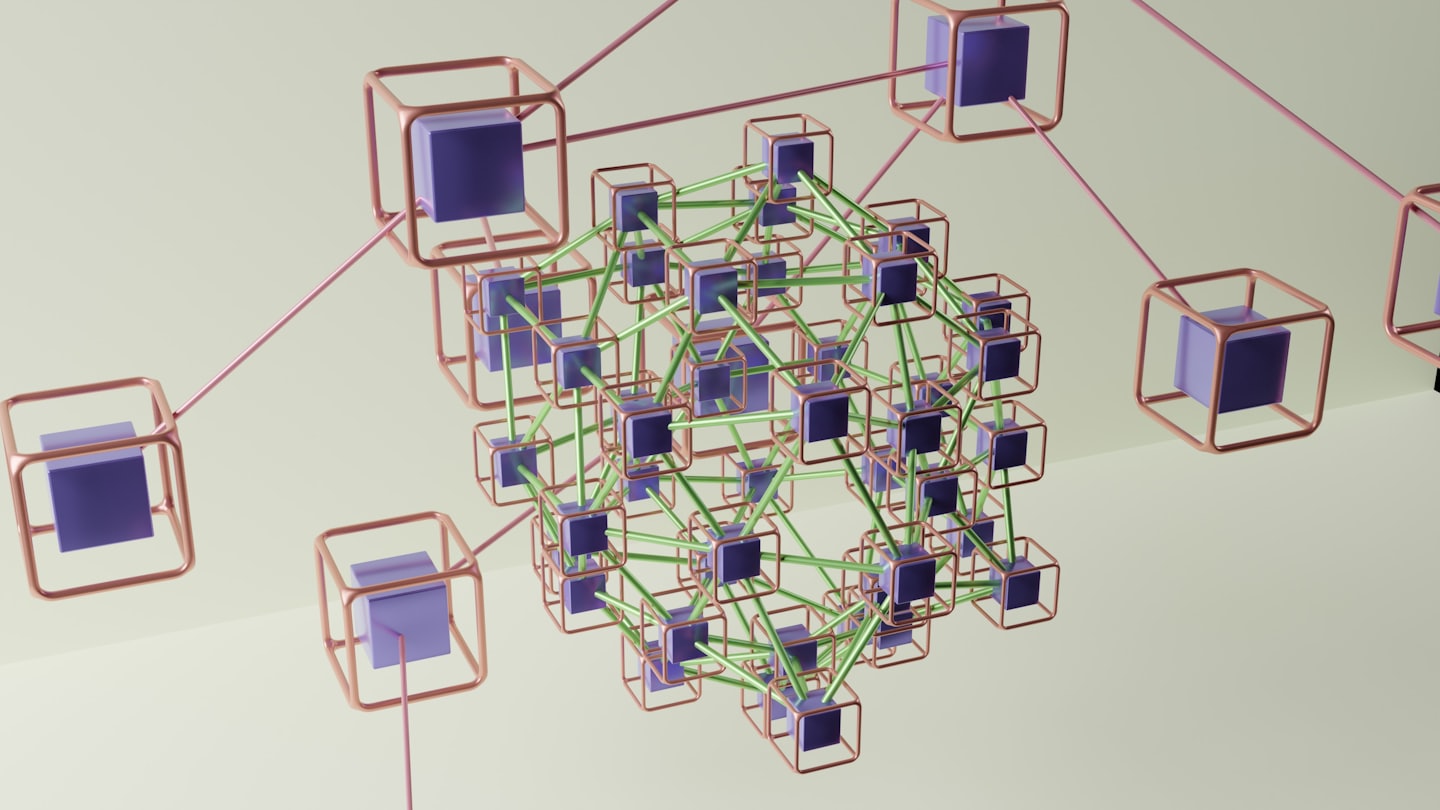
The InquireX Deep 11D Framework explores human experience through eleven interconnected reflective dimensions.
These dimensions are not used to classify people.
They are used to illuminate patterns of experience with depth, nuance, and human sensitivity.
Each dimension reflects a different layer of how people experience themselves, others, time, emotion, meaning, culture, and personal identity.
| Dimension | Reflective Focus |
| 1. Body | Embodiment, physical presence, emotional safety, and the lived experience of the body |
| 2. Emotion | Emotional awareness, expression, regulation, vulnerability, and affective patterns |
| 3. Mind | Thought patterns, inner dialogue, reflection, interpretation, and cognitive meaning-making |
| 4. Relationship | Attachment, intimacy, trust, emotional closeness, distance, and interpersonal dynamics |
| 5. Time | The emotional relationship between past, present, future, memory, and identity continuity |
| 6. Meaning | Purpose, values, existential direction, inner significance, and life orientation |
| 7. Culture | Cultural identity, inherited narratives, belonging, social context, and internalized norms |
| 8. Narrative Self | The personal story through which identity is experienced, organized, and interpreted |
| 9. Agency | Autonomy, responsibility, decision-making, choice, and perceived control over life |
| 10. Awareness | Reflection, presence, insight, self-observation, and emotional consciousness |
| 11. Transcendence | Experiences of awe, spirituality, connection, intuition, and meaning beyond the individual self |
The 11D Framework is a reflective model for self-understanding.
It is not a standardized clinical diagnostic instrument.
SCIENTIFIC & PHILOSOPHICAL FOUNDATIONS
The InquireX Deep Framework is inspired by an integrative body of knowledge across:
- contemporary psychology
- emotional science
- attachment theory
- neuroscience
- narrative identity research
- phenomenology
- existential psychology
- cultural psychology
- and reflective human-centered approaches
These influences are not presented as clinical claims.
They form the intellectual and ethical foundation behind the reflective architecture of InquireX.
Analytical & Depth Psychology
Influences include:
- Carl Jung — individuation and symbolic inner life
- James Hillman — archetypal and phenomenological psychology
Reflective relevance:
- symbolism
- meaning
- imagination
- self-reflection
- inner complexity
- and transcendence
Narrative Identity & Meaning-Making
Influences include:
- Dan McAdams — narrative identity
- Jerome Bruner — narrative construction of reality
Reflective relevance:
- self-story
- identity continuity
- memory
- turning points
- and personal meaning
Schema-Informed & Emotion-Focused Psychology
Influences include:
- Jeffrey Young — schema therapy
- Leslie Greenberg — emotion-focused therapy
Reflective relevance:
- emotional processing
- recurring patterns
- self-protection
- vulnerability
- relational experience
- and inner conflict
In InquireX, these ideas are used for reflective self-understanding — not for clinical diagnosis or treatment.
Existential Psychology
Influences include:
- Viktor Frankl — meaning and logotherapy
- Irvin Yalom — existential psychotherapy
Reflective relevance:
- meaning
- freedom
- suffering
- responsibility
- personal choice
- and growth
Phenomenology & Embodied Awareness
Influences include:
- Edmund Husserl
- Maurice Merleau-Ponty
- Max van Manen
Reflective relevance:
- embodiment
- lived experience
- presence
- subjective meaning
- and the way experience appears through language and body
Neuroscience & Emotional Regulation
Influences include:
- Antonio Damasio — somatic marker hypothesis
- Lisa Feldman Barrett — constructed emotion
- Stephen Porges — polyvagal theory
Reflective relevance:
- body awareness
- emotional construction
- nervous system safety
- regulation
- and embodied emotion
These foundations inform reflective interpretation, not medical assessment.
Attachment & Developmental Psychology
Influences include:
- John Bowlby
- Mary Ainsworth
Reflective relevance:
- relational safety
- attachment patterns
- emotional development
- trust
- closeness
- and distance
InquireX uses attachment-informed reflection descriptively, not as a clinical attachment diagnosis.
Cultural & Social Psychology
Influences include:
- Clifford Geertz
- Markus & Kitayama
Reflective relevance:
- cultural identity
- social context
- selfhood
- belonging
- inherited narratives
- and internalized norms
The framework does not assume that self-understanding looks the same in every culture.
Integrative & Holistic Frameworks
Influences include:
- Ken Wilber — integral theory
- John Rowan — humanistic-transpersonal integration
Reflective relevance:
- multi-layered human experience
- integration
- personal meaning
- and reflective depth
HOW THE REFLECTIVE PROCESS WORKS
Responses within InquireX Deep are explored across interconnected layers of reflective analysis.
The purpose is not judgment, diagnosis, or clinical classification.
The purpose is deeper understanding.
1. Phenomenological Analysis
This layer explores lived experience through:
- emotional tone
- subjective language
- personal expression
- pauses and emphasis, when voice is used
- metaphor
- and narrative texture
It asks not only:
“What did the person answer?”
But also:
“How does this experience appear through language?”
2. Emotional & Functional Pattern Analysis
This layer explores recurring emotional, cognitive, behavioral, relational, and regulatory patterns across responses.
It may reflect themes such as:
- emotional avoidance or intensity
- relational closeness or distance
- stress responses
- inner conflict
- self-protection
- recurring fears
- overthinking
- boundary patterns
- and meaning-making habits
This analysis remains descriptive and reflective.
It does not diagnose.
3. Narrative Identity Analysis
This layer explores how a person organizes the story of themselves.
It may examine:
- self-story
- identity continuity
- recurring emotional themes
- inner contradictions
- turning points
- relationship narratives
- and the way meaning is constructed over time
This helps transform separate answers into a more coherent reflective picture.
4. 11D Integration
This layer connects responses across the eleven dimensions of the framework.
For example, it may explore how:
- body awareness connects with emotional safety
- relationship patterns connect with attachment tendencies
- time and memory shape identity
- culture influences self-understanding
- agency relates to choice and responsibility
- meaning gives direction to personal growth
The goal is not to produce a fixed profile.
The goal is to create a more layered map of reflection.
5. Human Psychological Review
AI-assisted analysis is followed by human psychological review.
This review is designed to preserve:
- emotional nuance
- coherence
- sensitivity
- interpretive caution
- cultural awareness
- and human depth
The final report is prepared as a reflective narrative.
It is not a diagnosis.
It is not a clinical assessment.
It is not a treatment recommendation.
It is a human-reviewed reflection designed to support self-understanding.
THE ROLE OF AI
InquireX uses AI-assisted reflective analysis to help organize large amounts of narrative material.
AI may help identify possible:
- recurring words or themes
- emotional patterns
- relational dynamics
- narrative structures
- meaning-oriented themes
- and connections across responses
However, AI is not treated as the final authority.
InquireX is not designed as a fully automated psychological judgment system.
AI assists the process.
Human review protects the process.
No final reflective report is intended to be generated entirely through automation alone.
WHY INQUIREX DEEP IS DIFFERENT
Scientifically Inspired, Human in Language
InquireX Deep is informed by psychology, emotional science, neuroscience, attachment-informed reflection, phenomenology, cultural psychology, existential thought, and narrative identity research.
But the experience is written in language that feels accessible, reflective, and human.
Human-Centered by Design
No rigid personality scoring.
No psychological labeling.
No reduction of human complexity into fixed categories.
The aim is not to define you.
The aim is to help you see yourself more clearly.
AI-Assisted, Human-Reviewed
Every InquireX Deep reflection combines AI-assisted analysis with human psychological review.
This is essential because emotional nuance, personal meaning, and narrative complexity require human sensitivity.
Designed for Global Human Experience
InquireX Deep is designed to support multilingual and culturally aware reflection across different backgrounds, identities, and lived experiences.
The framework does not assume that self-understanding looks the same in every culture.
Open to Written or Voice-Based Reflection
Some people reflect most clearly through writing.
Others express themselves more naturally through voice.
InquireX Deep supports both forms of expression, allowing the reflective process to feel more human, personal, and emotionally authentic.
Privacy-First Reflective Processing
Responses are securely processed only for the purpose of report preparation and human review.
After the report is completed and delivered, responses and recordings are permanently deleted from the active processing environment.
InquireX does not maintain permanent psychological response databases.
Personal materials are not used for AI training, advertising, profiling, resale, or research purposes.
Because meaningful reflection requires emotional trust.
Focused on Reflection, Not Diagnosis
InquireX Deep is designed for:
- self-awareness
- emotional understanding
- identity exploration
- narrative reflection
- meaning-making
- relationship awareness
- and personal growth
It is not designed for psychiatric diagnosis, psychotherapy, crisis intervention, clinical assessment, medical advice, or medical treatment.
PRIVACY & RESEARCH BOUNDARY
ipsychi / InquireX does not use customer reports, questionnaire responses, voice recordings, or any submitted reflective materials for research purposes.
ipsychi users do not have any permanent psychological database stored with us, and submitted materials are deleted after report completion and delivery in accordance with our Privacy & Ethical Principles.
If any research collaboration takes place in the future, research participants will be recruited or invited separately and voluntarily for that specific project.
This process is completely independent from the regular customer experience on the website and will only take place with clear, separate, and informed consent.
IMPORTANT LIMITATIONS
The InquireX Deep 11D Framework is a reflective and integrative model for self-understanding.
It is not a standardized clinical assessment tool.
It does not replace:
- psychotherapy
- psychiatric care
- medical treatment
- medical advice
- crisis support
- clinical diagnosis
- treatment recommendations
- medical decision-making
- or validated psychometric assessment when such assessment is needed
It should not be understood as:
- a clinical diagnostic instrument
- a medical device
- a mental health screening tool
- a crisis intervention tool
- or a substitute for professional care
If you are in immediate danger, experiencing thoughts of self-harm, experiencing abuse, coercive control, threats, or urgent mental health concerns, please contact local emergency services, a qualified mental health professional, or an appropriate support organization immediately.
This framework is designed to support reflection.
Not to replace care.
THE HUMAN PHILOSOPHY OF INQUIREX DEEP
We do not see people as scores, categories, or behavioral datasets.
We listen through:
- language
- emotion
- contradiction
- memory
- relationship
- embodiment
- culture
- meaning
- and human narrative
InquireX Deep is not a test.
And it is not therapy.
It is a reflective dialogue between psychology and human experience —
where data becomes narrative,
reflection becomes insight,
and understanding becomes awareness.
If you are searching for a calmer, deeper, and more human way to understand yourself, this is where the conversation begins.
Take your time.
Respond honestly.
Move slowly through the experience.
There are no perfect answers here — only human ones.
🌿 Start with InquireX Lite
🧠 Explore InquireX Tailored
🌌 Enter InquireX Deep
Begin Your Journey with the 11D Framework Now
Discover how each of the 11 comprehensive sections guides you toward measurable progress, empowering you to apply proven strategies and insights for achieving your goals effectively.